


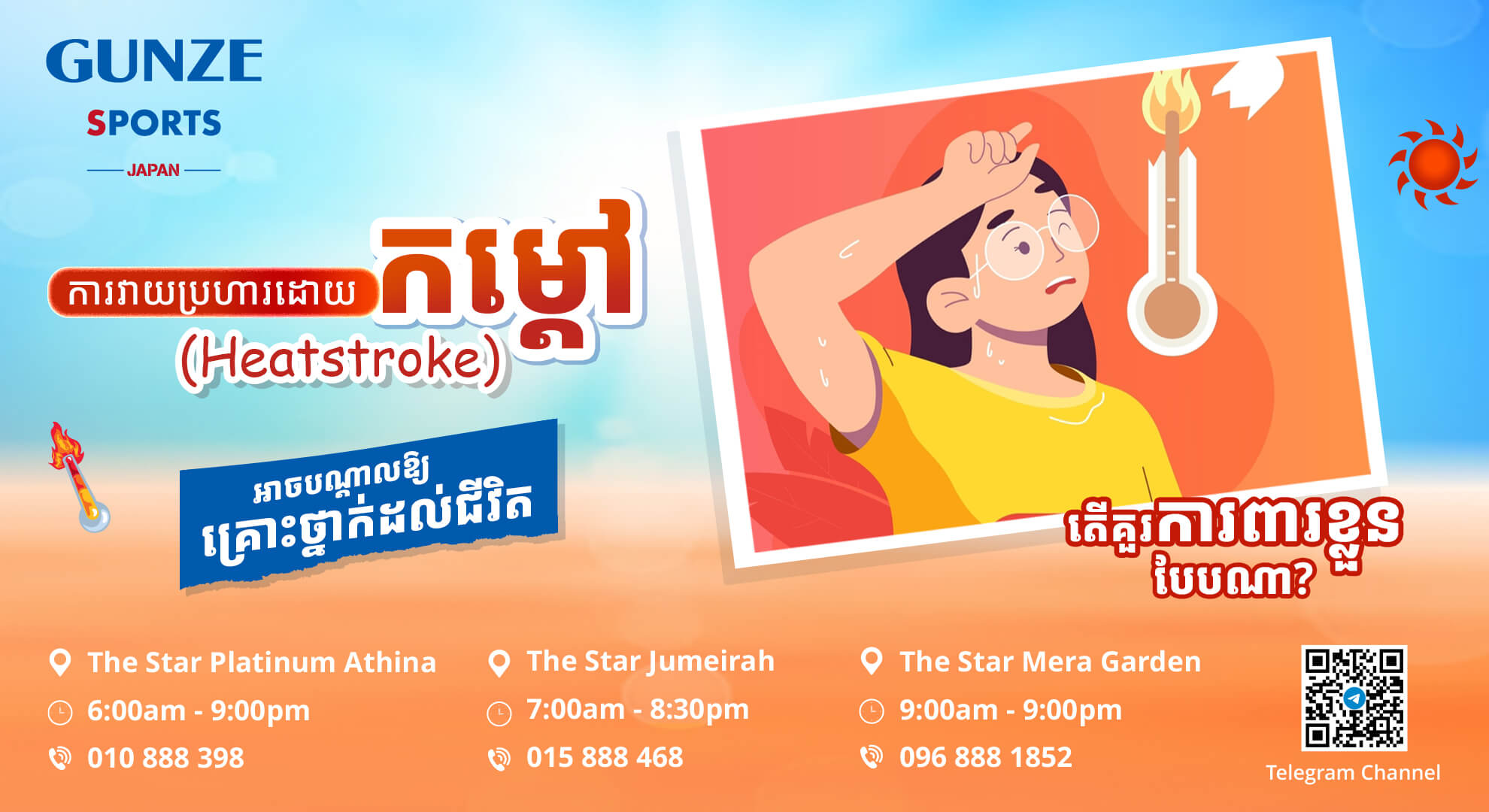
Heatstroke is danger to life
Heat stroke is a life-threatening condition in which heat overwhelms your body’s ability to manage its temperature. Symptoms include dizziness, fainting, blurred vision, slurred speech and confusion. Heat stroke causes reduced blood flow and damage to vital organs. Seek immediate medical care for anyone with symptoms of heat stroke.
Symptoms and Causes
What are the signs and symptoms of heat stroke?
Heat stroke signs and symptoms include:
- High internal (core) body temperature, typically over 104 degrees Fahrenheit (40 degrees Celsius).
- Behavior changes — like agitation or aggression.
- Blurred vision.
- Confusion.
- Dizziness.
- Fainting (syncope).
- Fast heart rate (tachycardia).
- Fast, shallow breathing (tachypnea).
- Low blood pressure (hypotension).
- Nausea and vomiting.
- Seizures.
- Slurred speech.
- Skin color changes — either flushed or paler than usual.
- Skin that’s dry (classic heat stroke) or sweaty (exertional heat stroke).
- Weakness.
What causes heat stroke?
Heat stroke happens when excess heat overwhelms your body’s built-in system for cooling itself. Excess heat can come from:
- Outside your body. This is environmental heat. Think of the hot, humid air that surrounds you on a summer’s day or the warm, stuffy air in an enclosed room.
- Inside your body. This is the heat your metabolism generates during physical activity. It’s what you might call internal body heat.
Can heat stroke be prevented?
Yes, it’s often possible to prevent heat stroke. This can be harder to do if you have certain risk factors, but a little planning can go a long way. Here are some suggestions:
- Keep your home cool. Use fans and/or air conditioning. When the temperature is very high — especially above 99 degrees Fahrenheit (37.2 degrees Celsius) — fans won’t be enough.
- Develop a plan for hot days. If your home isn’t cool enough, identify places where you can go to cool down. These include community centers, shopping malls, movie theaters and loved ones’ homes.
- Stay hydrated. Drink plenty of water before, during and after physical activity in the heat. Make sure you also take in electrolytes — for example, by adding electrolyte powders or tablets to your water. It’s important to stay hydrated even if you’re taking it easy, too. Your healthcare provider can advise you on how much water to drink to support your body’s needs.
- Avoid or limit heat exposure. Try to schedule workouts at cooler times of the day (like early morning). On hot days, opt for an indoor workout in air conditioning. If you must exert yourself in the heat — for example, for work — talk to your employer about scheduled breaks and ways to lower the risk of heat-related illness.
- Acclimatize. This is a fancy word that simply means giving your body time to adjust to the heat. A coach or trainer can help you develop a plan that’s right for you. In general, you’ll start with shorter workouts in the heat and gradually make them longer and more intense.
Source: https://my.clevelandclinic.org/health/diseases/21812-heatstroke